 Skip to main content Skip to footer


How to Pair Chinese Food with Wine or Tea
When it comes to food and beverages, it is incredibly important that you pair the right food with the most suitable beverage to create the best possible meal combination and elevate the meal to its highest. The right pairing can enhance the flavours of the dish, making it more pleasing to the palette. But the wrong combination can cause flavours to battle one another, or create an unappealing taste altogether.

The diversity of Chinese Cuisine
One of the reasons why Chinese cuisine is so popular is because of the diversity it offers. Chinese cuisine incorporates unique tastes from a range of different regions. Typically speaking, there are seven flavours in Chinese cuisine: sweet, salty, nutty, acidic, spicy, bitter and pungent. Each region has its own unique blend of flavours and cooking methods. Here are some of the main regional differences:
Beijing Cuisine:
Beijing cuisine is influenced by culinary traditions from across China, therefore, it embodies a variety of cooking methods, such as roasting, frying, steaming, braising and stewing. It emphasises sesame oil, dark soy paste, sesame paste, and scallions. It is also known for its snacks and street food. A staple dish in Beijing cuisine is Hot and Sour Soup, which typically includes ingredients such as mushrooms, tofu, bamboo shoots and occasionally, meat.
Cantonese Cuisine:
Cantonese cuisine is celebrated for being diverse and subtle, preserving the natural flavours of the ingredients. This cuisine uses a variety of ingredients, including meats and seafoods, dried and preserved ingredients, as well as a range of condiments, including rice, sugar, wine, soy sauce, vinegar, corn starch, and sesame oil. Char Siu Pork is a Cantonese cuisine specialty which includes a pork marinaded in a honey and plum sauce, which is then roasted to create a sweet, savoury and charred flavour.
Shanghai Cuisine:
Shanghai cuisine uses a range of cooking methods, including baking, stewing, steaming, braising, and deep-frying. It uses an abundance of seafood, as well as chicken, salted meats and preserved vegetables. It is renowned for its sweet and sour taste, which is created by combining sugar and soy sauce. One of the popular signature dishes from the Shanghai region is Sweet and Sour Spare Ribs, which features succulent spare ribs coated in a glossy, sweet and tangy sauce.
Zhejiang Cuisine:
Otherwise known as Zhe cuisine, this is distinguished by its four different styles, originating from Hangzhou, Shaoxing, Ningbo, and Wenzhou. Zhe cuisine emphasises the use of fresh ingredients and reflects its serene landscapes. Hangzhou style cuisine uses a rich variety of bamboo shoots, Shaoxing cuisine is renowned for using poultry and freshwater fish, and Ningbo cuisine specialises in seafood and salty dishes. The cooking approach aims to bring out the rich flavours of the ingredients so that they balance each other out in a delicious harmony. A signature dish of Zhejiang Cuisine is Dongpo Pork, which is a pork belly stewed in soy sauce and wine.
Xinjiang Cuisine:
Xinjiang cuisine is hearty and robust, with rich meats such as lamb and beef which are spiced with chili and cumin. A specialty in Xinjiang cuisine is Big Plate Chicken, or Da Pan Ji, which is a spicy chicken stew, mixed with hot chili peppers and potatoes and is served on a big plate.
Sichuan Cuisine:
This fiery cuisine uses a bold combination of chilli peppers and garlic, as well as Sichuan peppercorn. It is distinctive in its flavours, owing to the fact that is uses meats such as rabbit and organs. It is also complex in its cooking approach, using picking, salting and drying techniques. In Sichuan cuisine diversity and boldness are celebrated. A signature dish of Sichuan cuisine is Ma Po Tofu, which is a tofu in a spicy and numbing sauce and is often combined with minced meat.

Chinese food and wine pairing
To understand more about Chinese food and wine pairing, it is a good idea to look at what dishes and wines are already paired together because of the delicious way they compliment one another. It is also a good idea to understand the different flavours wine has to offer and the dominant ingredients in the dishes you intend to pair the wine with. The aim is to balance the weight and richness of the wine with the meal, while also considering the spice level of the meal.
Sweet and Sour dishes
When you’re eating a sweet dish it is important to serve the dish with a wine that is sweeter than the meal itself. Sweet and sour dishes work well with an off-dry Riesling, or even a sparkling Moscato d’Asti, which is both sweet and refreshing and high in acidity. If you prefer a drier wine, you could choose a fruity rose, a Pinot Gris or an aromatic dry white such as an Austrian Grüner Veltliner. Avoid crisp dry white wines as this will clash with the vinegar in the sweet and sour sauce.
Duck Dishes
If you prefer white wine, you should choose an off-dry Riesling or something that has a bit of body like Reyneke Chenin Blanc. To match the plum sauce, a New World Pinot Noir or fruity Merlot is a perfect complement for duck, more delicate Pinot Noirs like Burgundy are also an excellent compliment for duck, however, they may get overpowered by the sauce.
Lighter Chinese dishes
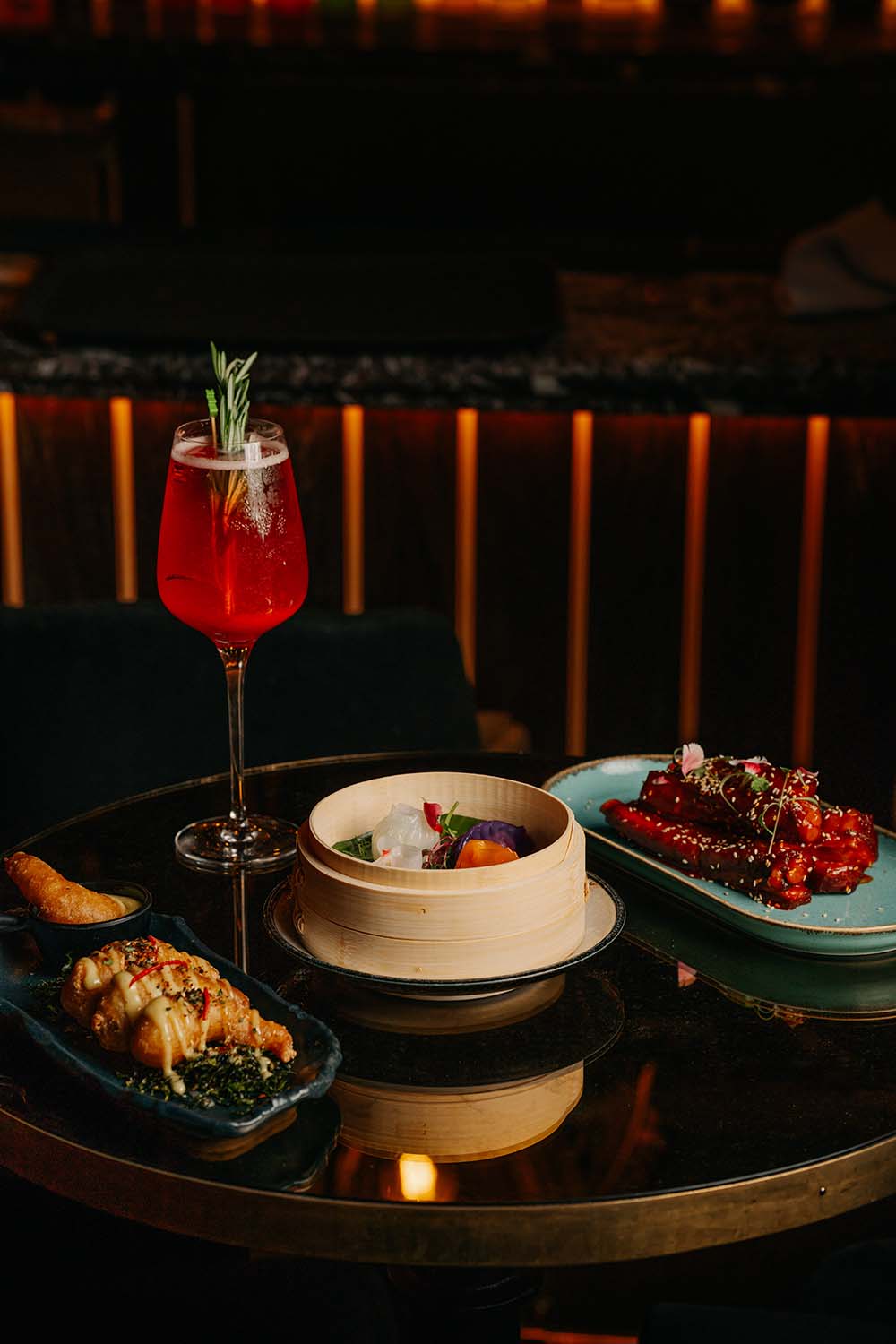
For lighter Chinese dishes such as scallops, dim sum, vegetable dishes, and any other meals that do not have a heavy sauce, you should pair this Chinese cuisine with a dry sparkling wine or a champagne or prosecco. If you aren’t a fan of bubbles in your wine, you could also consider a Sancerre, Pouilly Fumé or a Chablis.
Stronger Chinese dishes
Heavier red wines are recommended for balancing stronger sauces such as black bean sauce and barbecue spare ribs. Avoid red wines with a lot of tannin, instead choose a fruitier red wine, such as a Merlot, or a Syrah or Syrah blend from the New World such as a Chilean Syrah blend. For dishes with a strong nutty flavour, you need a strong flavoured wine, like a Sémillon, meanwhile, dishes that are heavy on ginger, pair perfectly with an off-dry Riesling or an aromatic dry white such as an Austrian Grüner Veltliner, a Pinot Gris or a Chenin Blanc.
Spicy Chinese dishes
Spicy foods have a tendency to dull the taste buds and raise your body temperature, so slightly sweet wines with a good acidity are perfect to pair with these dishes. The sweetness of the wine will be reduced by the spicy food, the acidity of the wine will tone down the spiciness of the food to make it feel not quite as hot, and the weight of the wine balances the rich spicy flavour well. An off-dry Riesling or sparkling Moscato d’Asti is perfect for a spicy dish.

Chinese Food Tea Pairing
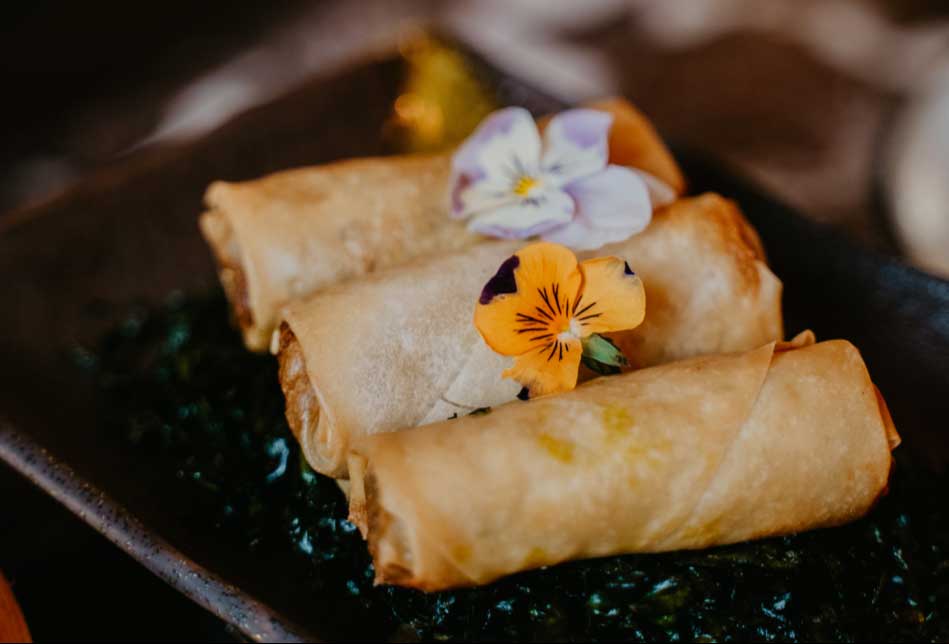
According to Great British Chefs “When we are pairing tea there’s a procedure we all follow”, they go onto say there are four categories of tea, mild, savoury, sweet and spicy. Green tea is an ideal tea to pair with a very mild or savoury dish, but generally it is too subtle to pair with the intense flavours of a sweet or spicy dish. Jasmine tea is a popular green tea, and it pairs perfectly with tender dumplings, another popular green tea is Dragon Well. Oolong teas come in a range of flavours, from the light and floral, to the dark and roasted. The medium roasted Wuyi Yan Cha, pairs beautifully with baked spring rolls, which are rich and flavourful. Puerh tea is a dark, earthy brew that is perfect for dispelling grease in your system after a big meal. Due to its rich flavour, Puerh tea is the perfect pairing for spicy food such as spicy pork noodles.
Practical tips for pairing wine and tea with Chinese cuisine
The first thing you should do is think about the dish. Is it spicy? Does it have a strong or a light flavour? Are there any prominent ingredients you need a beverage to work well with? Is it particularly salty or sweet? The flavour of the meal will determine which wine or tea is the best pair with it. Everything we have discussed in this blog are general rules to follow but ultimately, it may just come down to personal preference. To help you and your friends appreciate the flavours in your favourite dishes and the best beverage to pair it with, you could host a wine and tea pairing party. Gather together your favourite dishes and a variety of red, white and sparkling wines, as well as a range of popular Chinese teas in a variety of flavours, and test the combinations out for yourself.
There are some simple rules you can follow when it comes to pairing food and beverages. For example, pair lighter food, with lighter beverages and heavier food with richer beverages. Match flavours, for example a lemon-based meal pairs well with a citrus beverage. Consider the acidity, if the meal is acidic in flavour, choose a drier beverage, meanwhile an acidic beverage is an excellent pairing with a fatty, buttery or oily meal. And make sure the beverage is as sweet as the meal, if the meal is sweeter than the beverage it is going to make the drink taste drier/over-acidic, likewise, remember a sweet beverage is excellent for balancing a salty dish.