
Chopsticks originated over 5000 years ago in China and have become a popular way to eat various types of cuisine. The design, style and material of the chopstick varies from country to country, as does what they are used to eat. Let’s take a look at the different countries that use chopsticks and their variations.
Origin of the chopstick
It is widely believed that the chopstick dates back to 1200 B.C., when they were initially used as cooking utensils to handle hot food. As food began to be chopped into smaller pieces to enable quicker cooking, and philosophy started to prefer non-violent implements over knives, chopsticks became common eating utensils. These chopsticks were originally made from bronze, but later they were made out of ivory, silver, bamboo and jade. The use of chopsticks spread throughout East Asia, to Japan, Vietnam and Korea, and continued to be adapted to different cultural cuisines to become a globally recognised culinary tool. The type of chopstick used in each culture reflects its dining traditions and culinary practices.
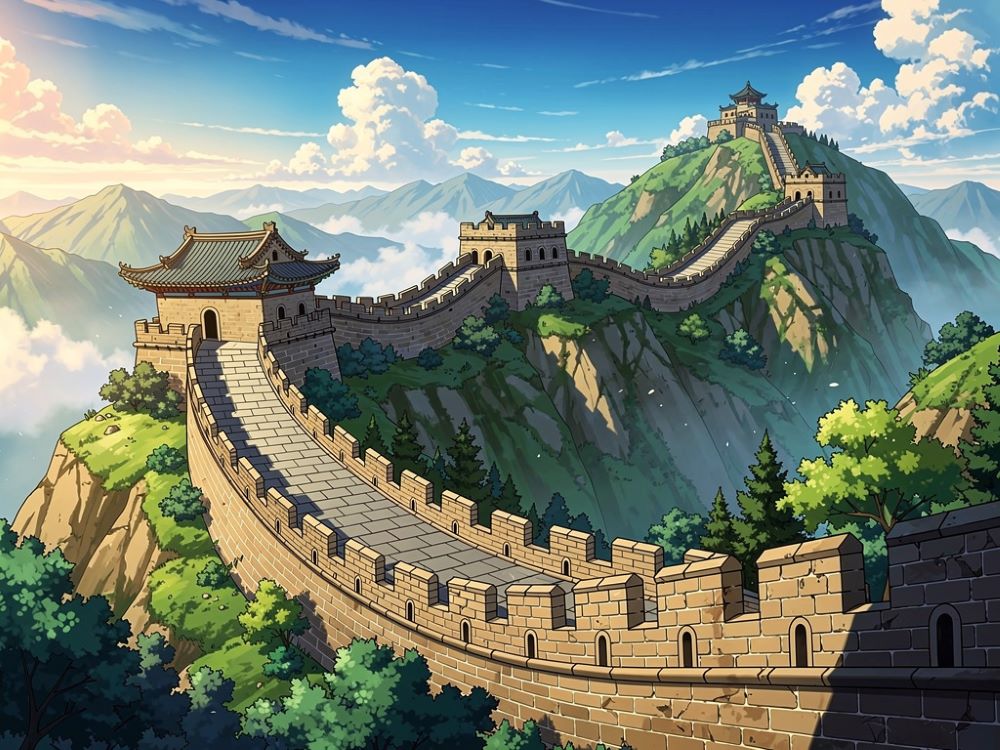
China
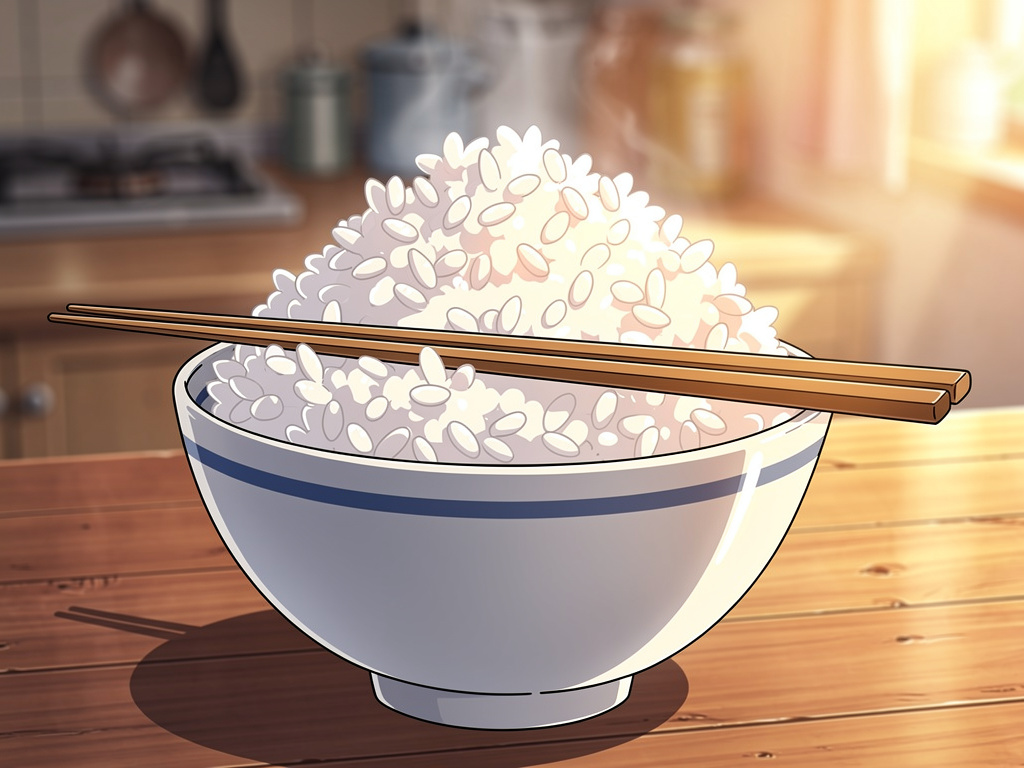
Chinese chopsticks are usually longer (about 25cm) and thicker than other chopsticks. Typically made of wood or bamboo, they have blunt ends, making them suitable for picking up large pieces of food, and they are used primarily for communal dining, which is a common practice in China. Chopstick etiquette in China includes not sticking chopsticks upright in the rice, not pointing at someone with a chopstick, and not digging for food.
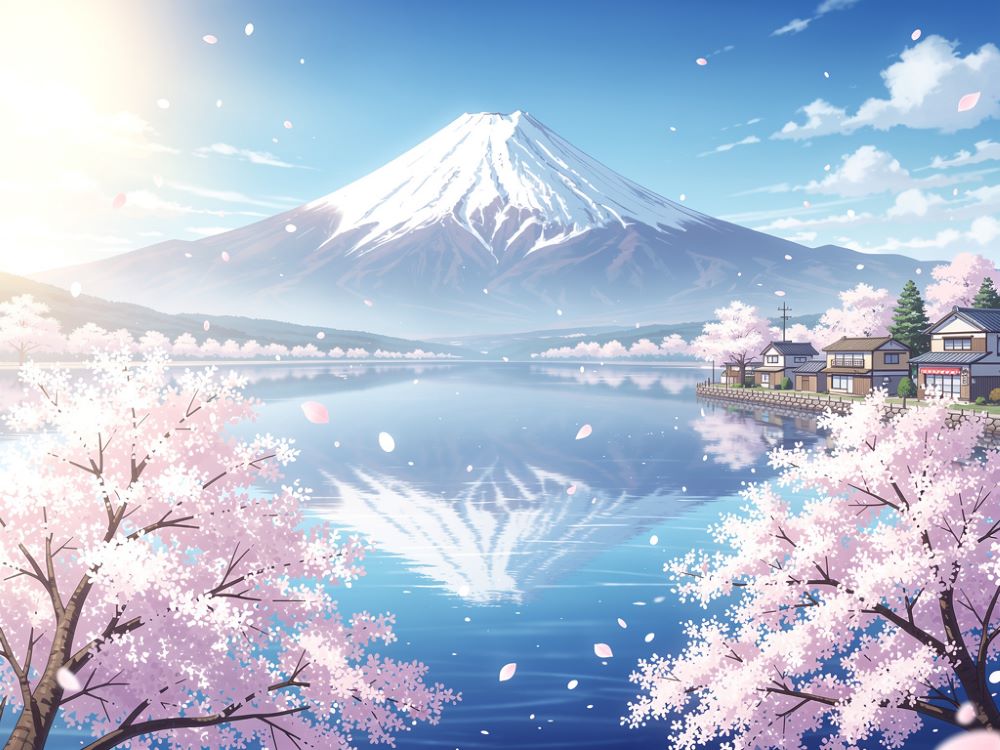
Japan
Japanese chopsticks tend to be shorter than Chinese chopsticks, and rather than blunt ends, they usually taper to a point, making them perfect for eating fish and picking out bones. They come in various lengths, with shorter versions for women and children, and they are often lacquered. Japanese chopstick etiquette includes not passing food from chopstick to chopstick, using a rest when you put chopsticks down, and not rubbing wooden chopsticks together.
Korea
Korean chopsticks stand apart in that they are made from metal, usually silver or stainless steel. As they are flat and rectangular, they have a completely different grip and offer a different eating experience. They are often used alongside a spoon; the set is called a sujeo. In Korea, the spoon is used for rice and soup, and chopsticks for side dishes. You should never stab food with chopsticks, and when setting the table, the chopsticks should always be placed to the right of the spoon.
Vietnam
Very similar to the chopsticks used in China, Vietnamese chopsticks are a bit longer and have blunt ends. These are also often made from bamboo or lacquered wood, and they reflect the country’s rich tradition of craftsmanship.
Nepal
Nepalese chopsticks are also shorter in length and are made from bamboo. While chopsticks are not used quite as much in Nepal as they are in other countries, they still hold a cultural significance.
Chopstick materials
The materials used to make chopsticks vary from country to country, reflecting not only tradition, but also functionality and sustainability. Chopsticks can be made from:
- Wood: Lightweight, these chopsticks are easy to hold and use. The wood is lacquered to ensure durability, and to give aesthetic appeal.
- Bamboo: Widely used in China and Vietnam, these chopsticks are durable as well as eco-friendly.
- Metal: Used primarily in Korea, metal chopsticks are harder to use as they are heavier than other chopsticks.
- Plastic: While these may not be as attractive as other chopsticks, plastic chopsticks are durable and easy to clean, so they can be reused. This makes them well suited to restaurants.