
Chinese baking draws on techniques, flavours and cooking traditions that have evolved over centuries. At a Chinese restaurant, you'll find desserts that, unlike those in the West, use ingredients such as rice flour and sweet bean paste, and cooking methods like frying and steaming. That said, some mirror Western treats we already know and love. There's something for every palate here, from traditional pastries to sweet snacks. To help you appreciate the true diversity of Chinese desserts, let's take a journey through what's on offer.
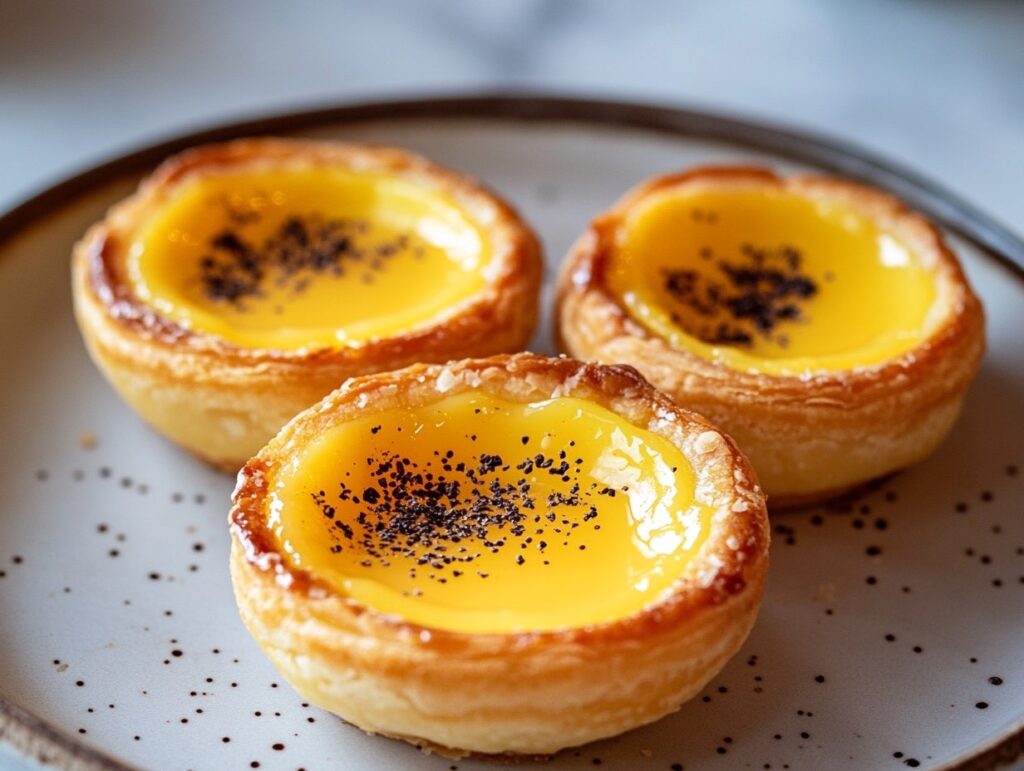
Egg Tart
Similar to the English custard tart, the Chinese egg tart consists of an outer pastry crust filled with egg custard. They're often served at dim sum restaurants and Chinese buffets, and you'll find them in most Chinese bakeries. There are two main varieties in China. Hong Kong egg tarts are smaller and served in twos and threes, with a custard filling flavoured with chocolate, green tea or bird's nest, and an outer shell made of pastry. The Macau-style egg tart features a caramelised browned top and is a variation of the Portuguese tart.
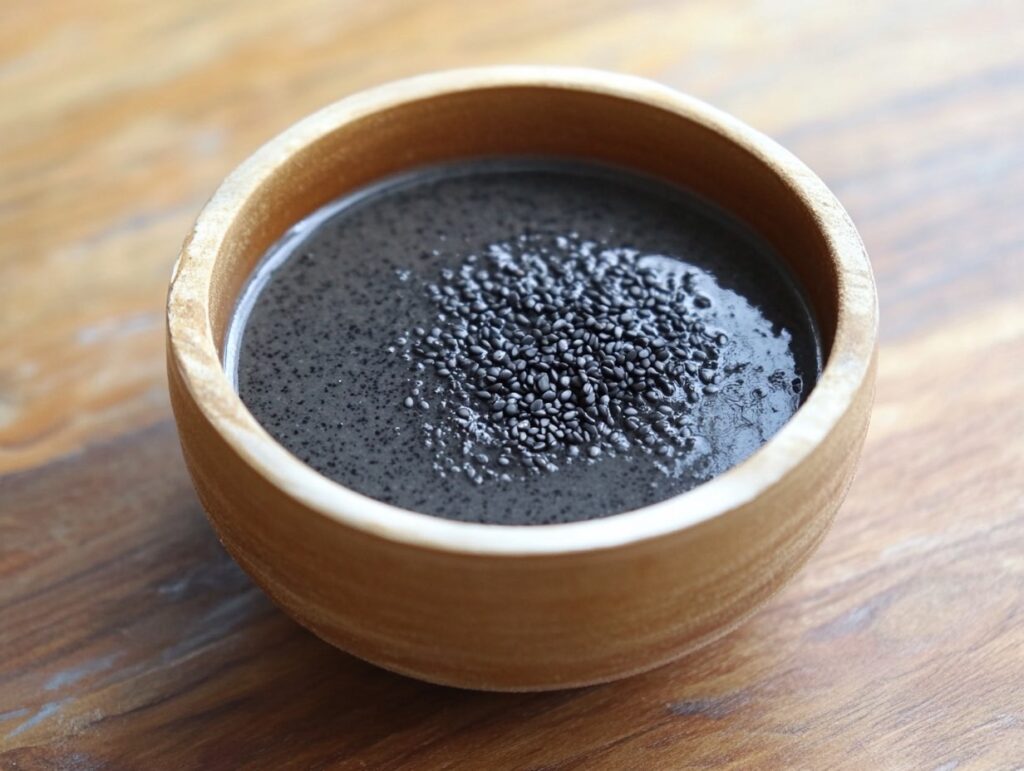
Black Sesame Soup
This popular Chinese dessert is widely available throughout China. It's made from toasted black sesame seeds, rice and water, with granulated sugar added for sweetness. The soup also comes in powder form, often with extra ingredients such as black rice, millet, corn, red, black or soy beans, yams or barley, along with other whole grains.
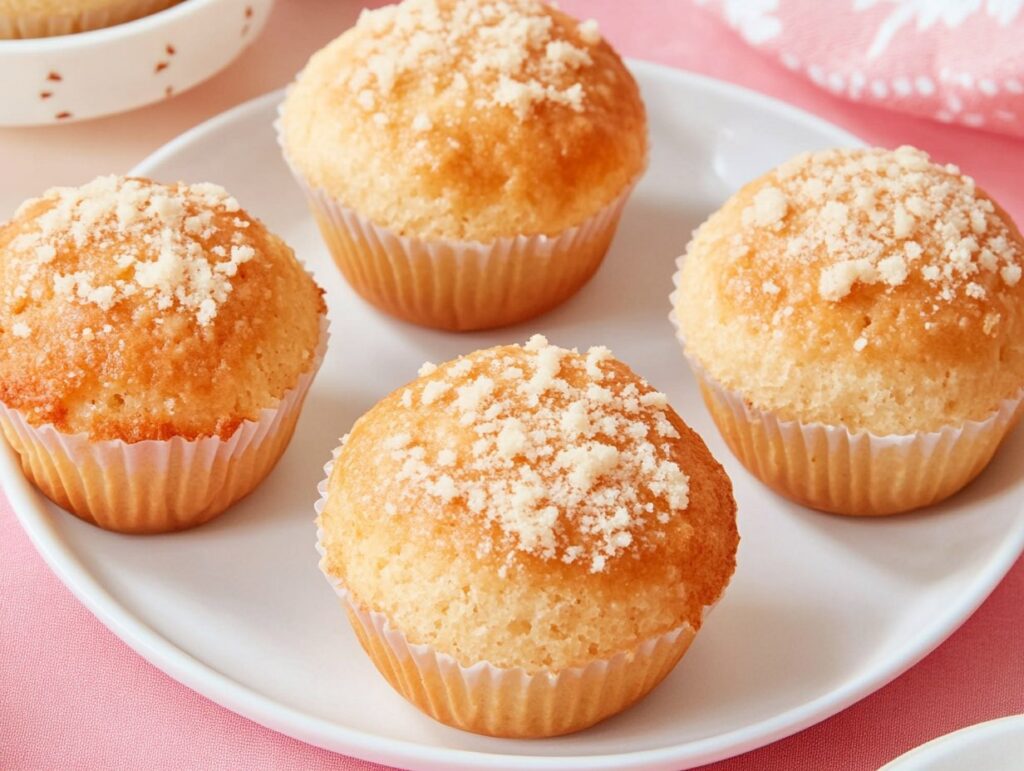
Fa Gao
"Fa" translates to "prosperity" or "expand" and "gao" means "cake". Also called fat pan, this Chinese prosperity cake is a steamed cupcake-like pastry that splits on top when cooked, which is why it's often called the Chinese smiling steamed cake, or blooming flowers. They're commonly eaten at Chinese New Year, but also appear at weddings, funerals and other gatherings.
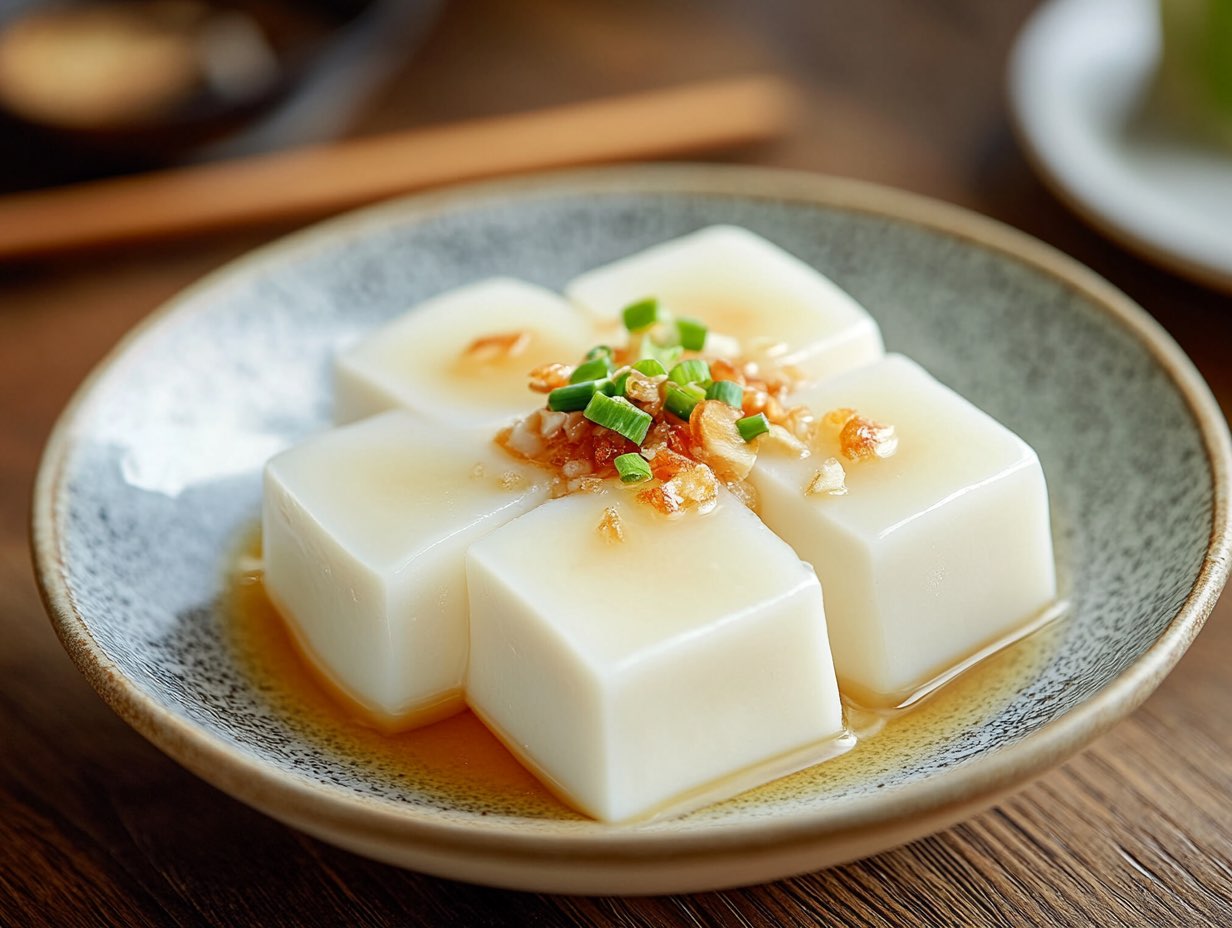
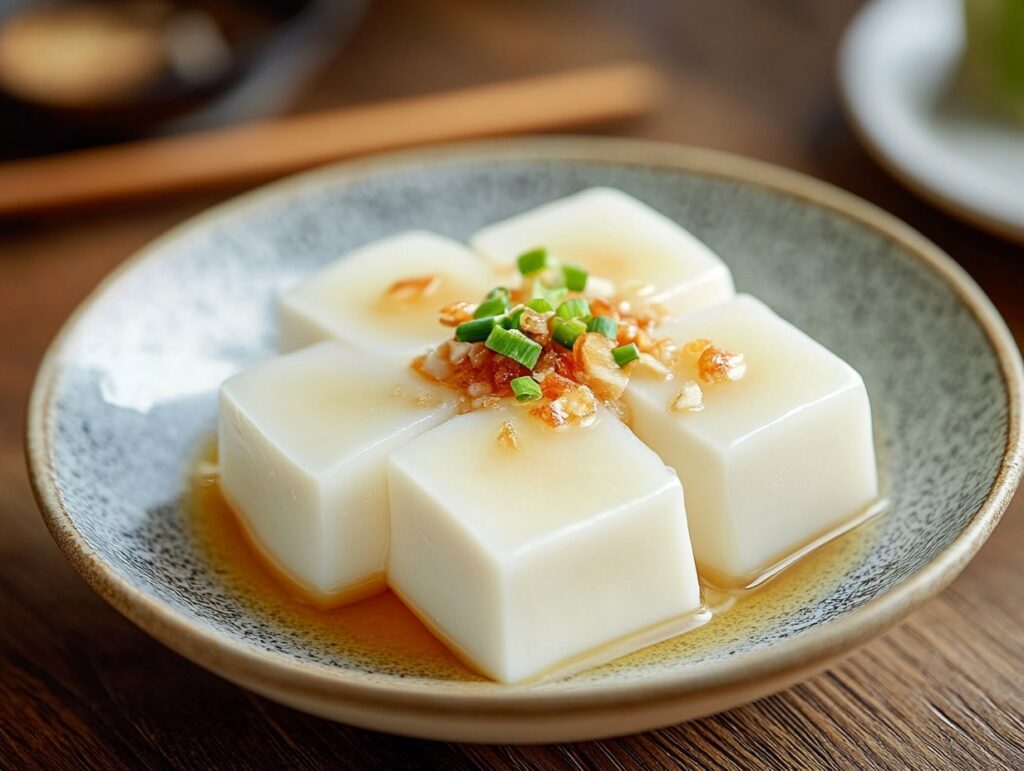
Almond Tofu
This soft jellied dessert is made from apricot kernel milk, agar and sugar. It's an indulgent treat that dates back centuries. The traditional recipe is vegan friendly, though more recent versions do include dairy and sometimes substitute gelatine for agar.
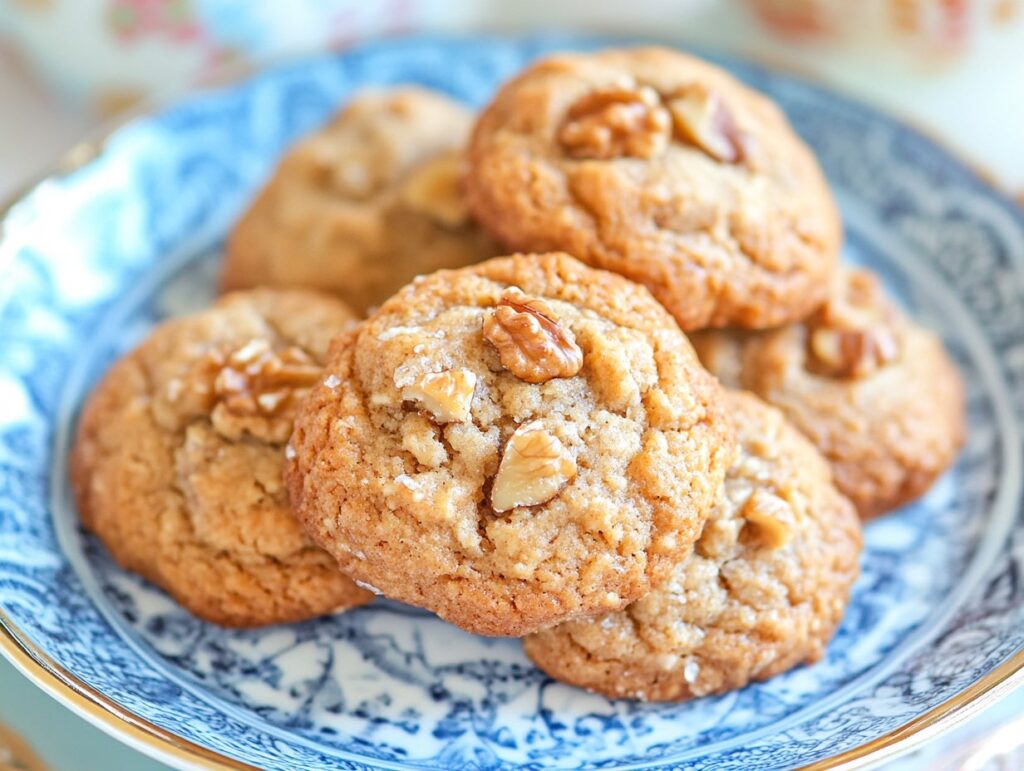
Chinese Walnut Cookies
Known as hup toh soh, Chinese walnut cookies are symbolic and an important part of Chinese culture. They're traditionally served to visitors during Chinese New Year, because walnuts are believed to ensure happiness in the coming year. These dry, sweet, crispy cookies are thought to be good for lung function and circulation thanks to the walnuts, though they are also high in sugar and fat.
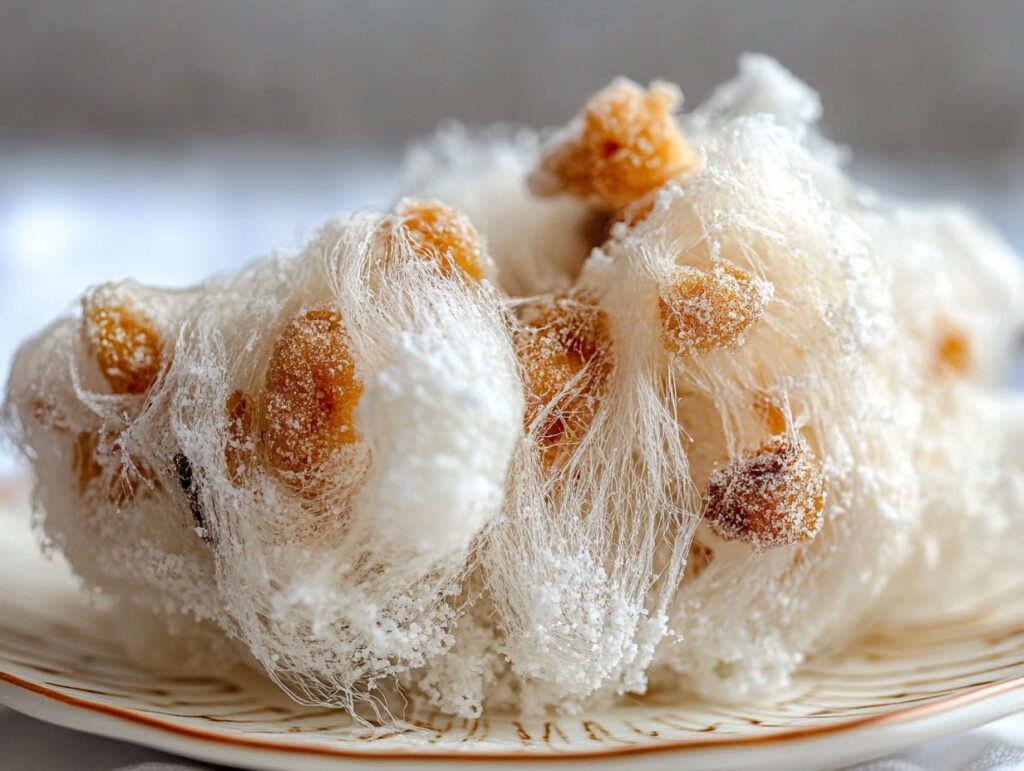
Dragon's Beard Candy
Also known as Chinese cotton candy or Longxusu, Dragon's Beard Candy is a traditional homemade art of China similar to Western candy floss. Sugar is pulled by hand into threads so fine they can fit through the eye of a needle. The result is sweet, chewy and melts in your mouth.
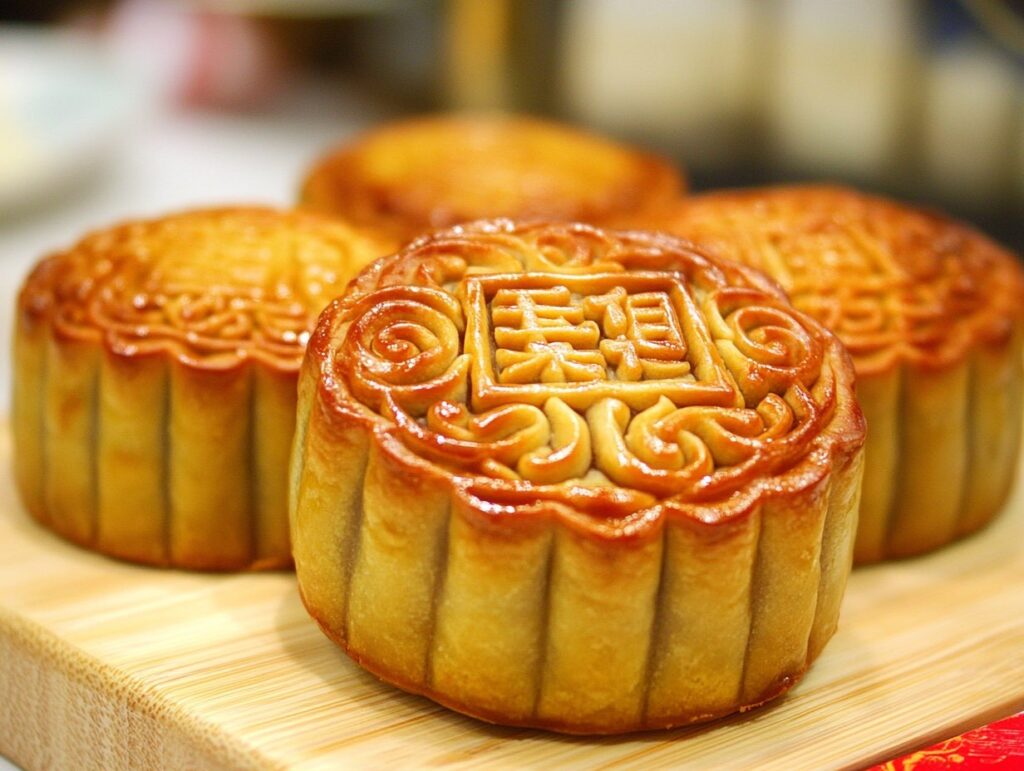
Mooncakes
These popular sweet treats are eaten during the mid-autumn festival to celebrate the harvest season. Usually round or square, they're made from a sweet pastry crust with a rich filling of lotus seed paste, bean paste, fruit or salted egg yolks, which symbolise the full moon. They're decorated with the Chinese characters for "harmony" or "longevity", or with flowers, vines, a rabbit or the image of Chang'e, the Chinese moon goddess.
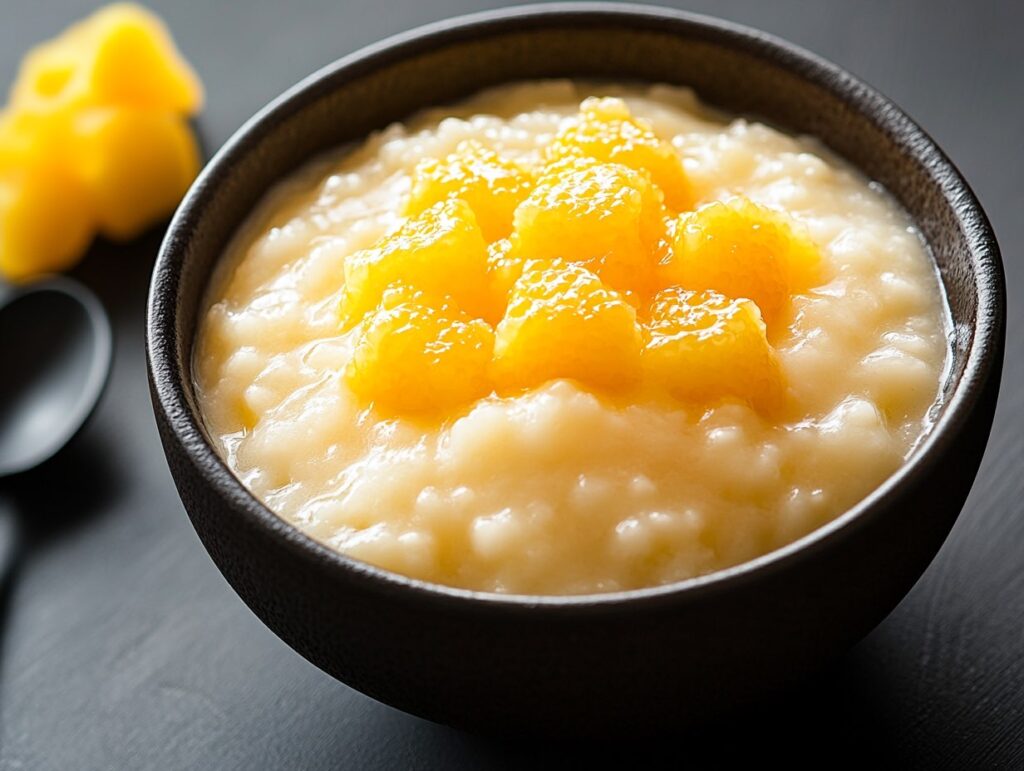
Tapioca Pudding
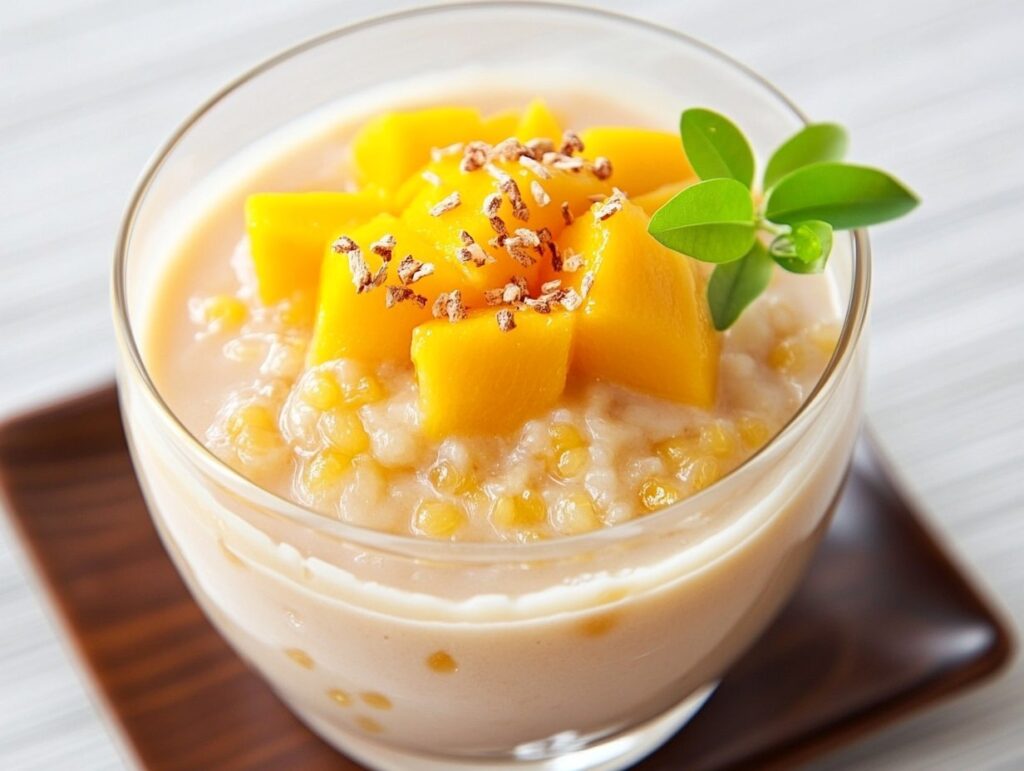
This sweet pudding is made from tapioca and either milk or cream, with coconut milk used in some versions.
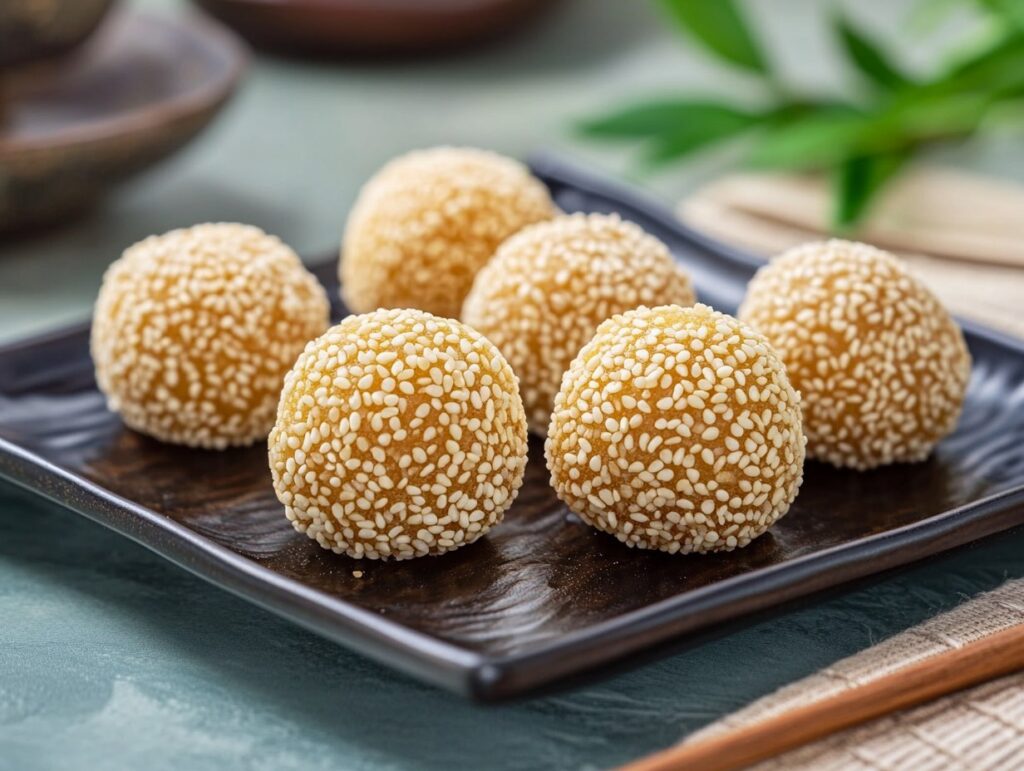
Sesame Balls
Sesame balls are made from a sticky rice flour dough filled with a sweet paste, rolled in sesame seeds and fried until crispy on the outside and soft and chewy inside. These traditional Chinese desserts are usually served during Lunar New Year, filled with sweet red bean paste.
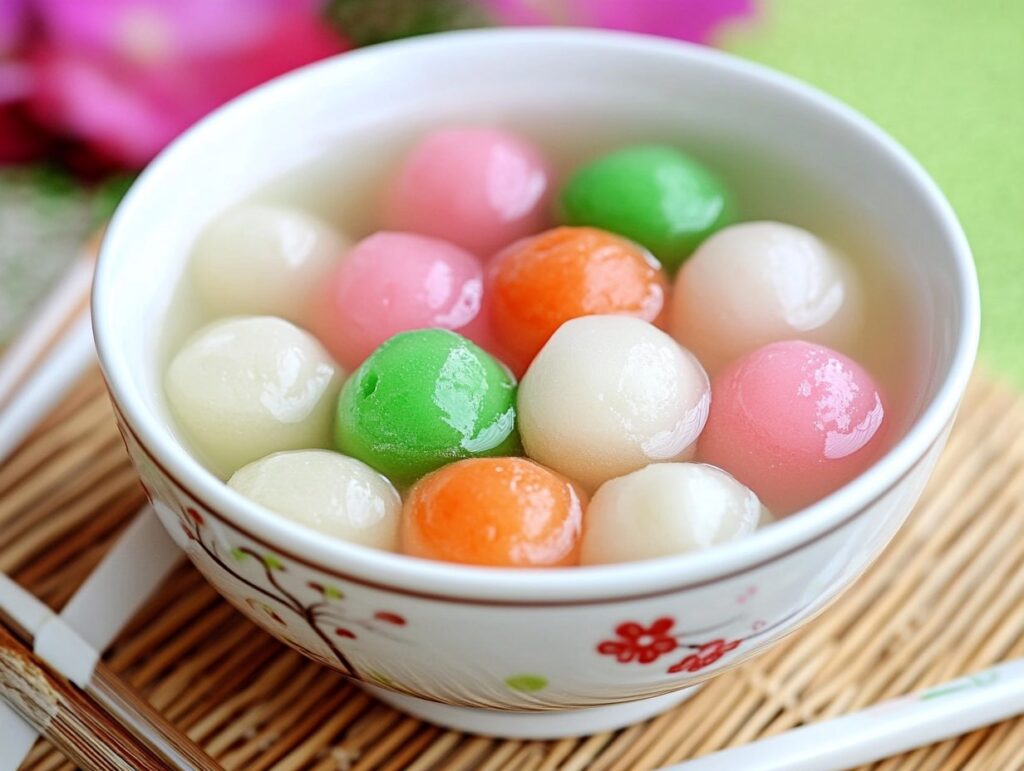
Tangyuan
A traditional Chinese dessert made of glutinous rice shaped into balls and served in a hot broth or syrup. Eaten during the lantern festival, at weddings and family reunions, its name is a homophone for union, so the balls symbolise togetherness and completeness. They vary in size and are sometimes stuffed with a filling.
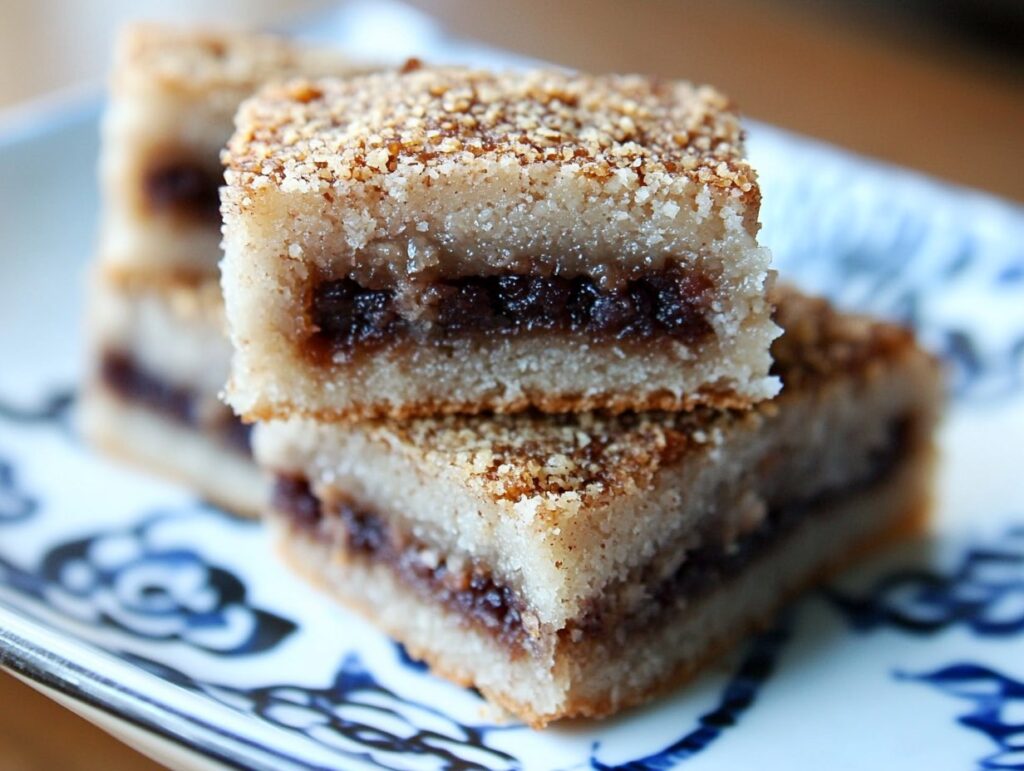
Red Bean Cake
Depending on where it's served in China, this dessert is either a year-round snack or a seasonal pastry eaten on specific Chinese holidays. The cake is made with hardened red bean paste that is frozen, then sweetened, sprinkled with sesame seeds and served in square blocks. It's a tough dessert to bite into.
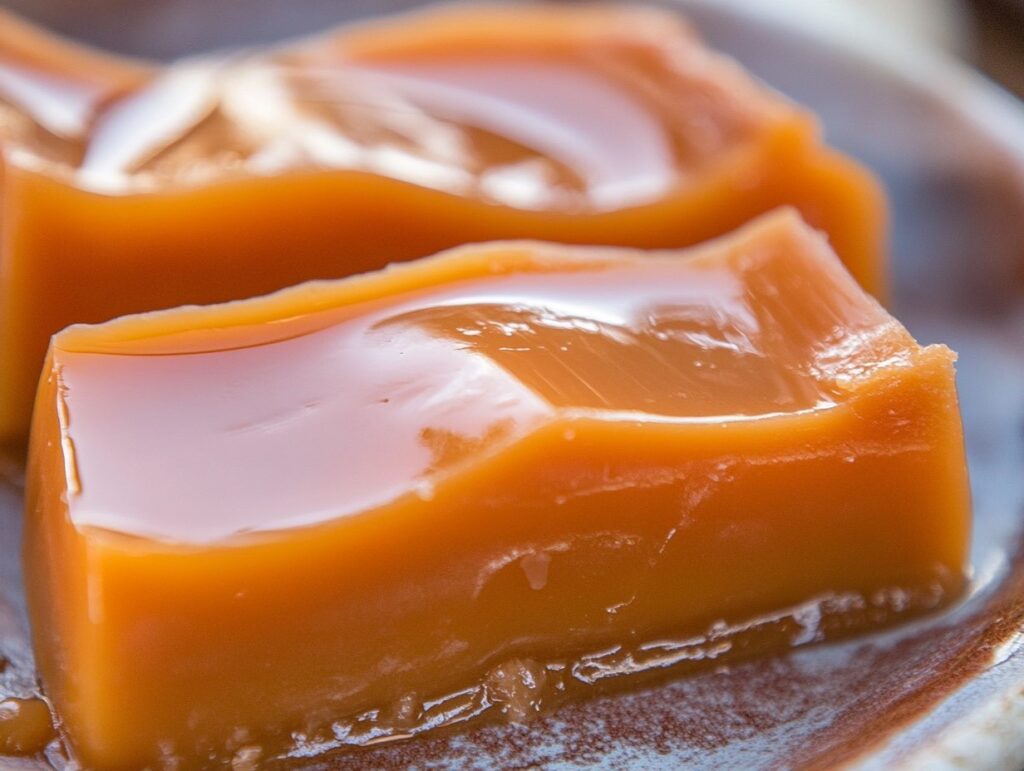
Nian Gao
Made from glutinous rice flour, nian gao is known as a New Year cake and is traditionally eaten during Chinese New Year, though some know it simply as "rice cake" and eat it all year round. This sweet, sticky treat was believed to be an offering to the Kitchen God; the idea was that it would stick his mouth shut so he couldn't report on the human family in front of the Jade Emperor.
Mango Pomelo Sago
A Hong Kong dessert of diced mango, pomelo, sago, coconut milk and milk, served cold. The name translates to Willow Branch Manna. Somewhere between a smoothie and a pudding, it's sweet, refreshing and hugely popular in summer.
As you can see, Chinese desserts use ingredients and methods we wouldn't traditionally think of using in the UK. They're delicious and unique, and many carry real symbolism, holding more meaning in Chinese culture than most desserts do elsewhere.
Ready to experience authentic Chinese flavours for yourself? Explore our menu at Lulu Wild and discover the tastes that make Chinese cuisine special.