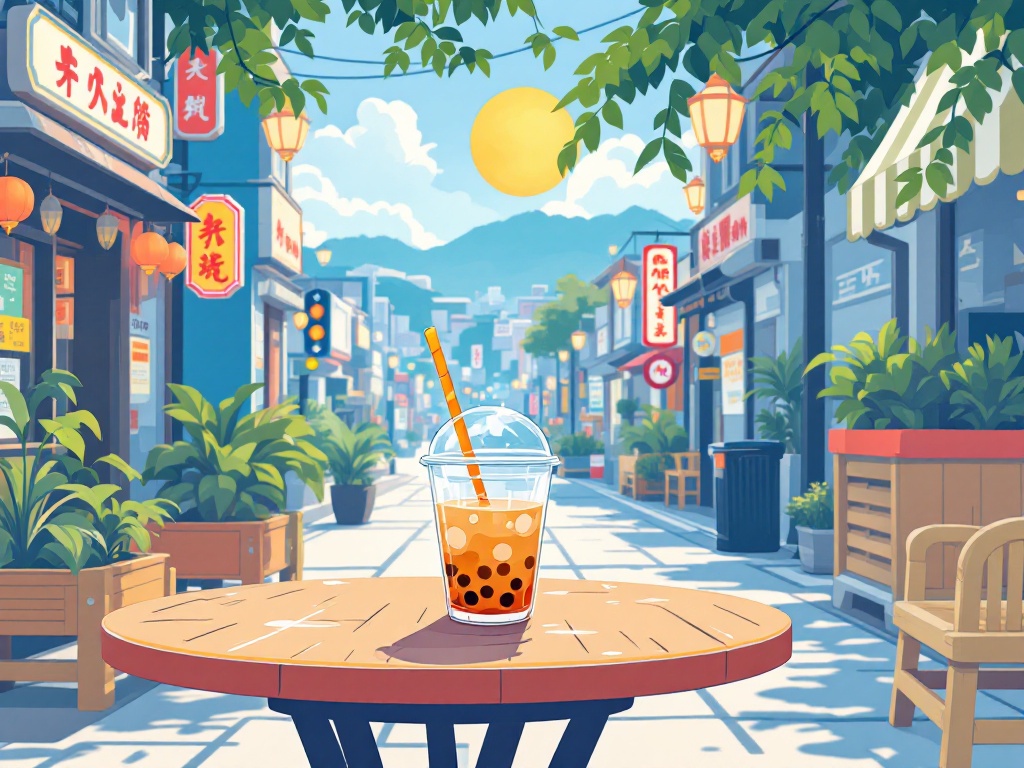

Bubble tea (also known as boba tea, bubble milk tea, tapioca milk tea or pearl milk tea) is a tea-based drink which dates back to the early 1980s, originating in Taiwan. Known for its chewy tapioca pearls (otherwise known as boba), bubble tea has endless customisation options and keeps gaining fans around the globe. Usually a milky tea or a sweetened fruit tea, bubble tea is typically served cold but can be heated. It is always shaken (never stirred) and it is vegan friendly. The starchy tapioca pearls are drunk up through a jumbo straw and chewed to release extra flavour into the drink. It can be made with other toppings, such as popping boba, aloe vera and grass jelly, but pearl tapioca is most popular, with the two most common flavours being pearl black milk tea and pearl green milk tea. The traditional base is usually black, green or oolong tea, though the drink is now made with all flavours of tea. The delicious taste, unusual presentation and unlimited customisable options are some of the reasons this drink has become a favourite in countries all around the globe. According to Fortune Business Insights, the bubble tea industry profited £1.94bn in 2023, which is expected to rise to £3.22bn by 2030, and £4.26bn by 2032, making it one of the most profitable global tea trends.
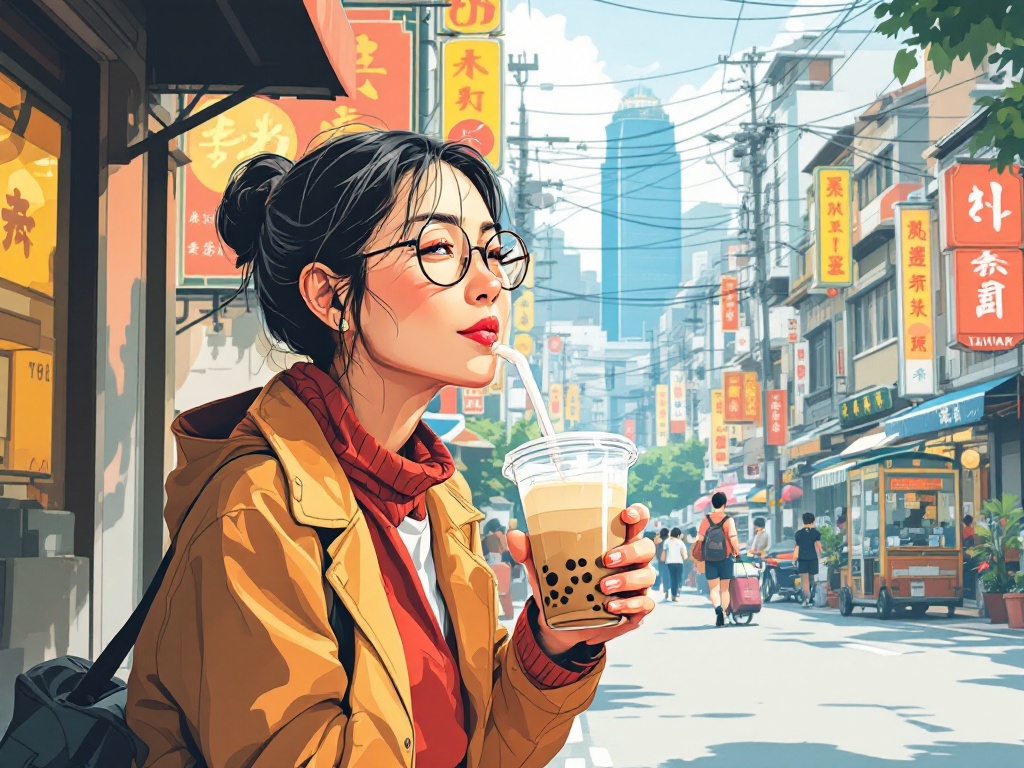
Bubble Tea Origins
Since the Dutch colonisation of Taiwan (1624-1662), sugar and milk have been added to Taiwanese milk tea to give it extra taste. Prior to the invention of bubble tea, a similar drink was created called bubble foam tea. This was made by combining fructose syrup and tea, shaken with ice cubes; the shaking motion caused the tea to foam, and it did not contain tapioca balls. The actual creation of bubble tea varies depending on who you ask, but there are two main stories.
- Liu Han-Chieh, the founder of the Chun Shui Tang tea room, started to serve cold tea after drinking cold coffee on a visit to Japan. His cold tea was incredibly popular, leading to the establishment of more tea rooms, all serving cold tea. Lin Hsiu Hui, the product development manager, claims to have produced the first bubble tea in 1988, after adding tapioca balls to her cold tea during a staff meeting and encouraging others to try it. As it was well received during the meeting, it was added to the menu and ultimately became the best-selling beverage.
- Tu Tsong, owner of the Hanlin Tea Room, claims to have invented bubble tea in 1986, after seeing white tapioca balls at the local market of Yā-mǔ-liáo and becoming inspired to use them in tea, resulting in what we now know as ‘pearl tea’.
What makes Taiwanese bubble tea different from other milk teas? Short answer: the boba. The tapioca balls set this drink apart from any other milk tea, or in fact any other beverage.
Authentic boba shops to global franchises
Whichever story is true, it is undeniable that bubble tea was first created in the 1980s in Taiwan, with authentic boba shops becoming more visible on the Taiwanese landscape. But how did bubble tea travel from street stalls to global franchises?
By the 1990s, bubble tea had become very popular, particularly among young people, across East and Southeast Asia. People in regions such as Hong Kong, mainland China, Singapore, Vietnam and Japan would queue for thirty minutes or more just to get their hands on a bubble tea. As bubble tea crossed borders, it evolved to reflect local culture, traditions, innovations and tastes. How do Asian countries differ in their bubble tea preferences? Japan embraces a minimalist approach: simple, high-quality bubble teas. South Korea, on the other hand, embraces the trendy approach, with beautifully presented drinks filled with fruits. China enjoys a full range, from simple, traditional blends to exotic flavours, with lots of bubble tea shops all offering their own versions of the popular drink.
Taiwanese immigrants brought bubble tea to the USA in the 1990s, and in the 2000s the first bubble tea shops opened in the USA and Canada. From there, the drink began to appear and become incredibly popular in the UK and many other countries across the globe, helped by a social media boom in 2010, in which influencers and foodies helped to turn bubble tea into a global phenomenon. In 2015, health-conscious variations of bubble tea began to appear, catering to health enthusiasts, and the pandemic in 2020 saw a surge in DIY bubble tea kits and the idea of bubble tea as a comforting, versatile drink in a crisis. By 2023, major bubble tea brands had expanded into global franchises.
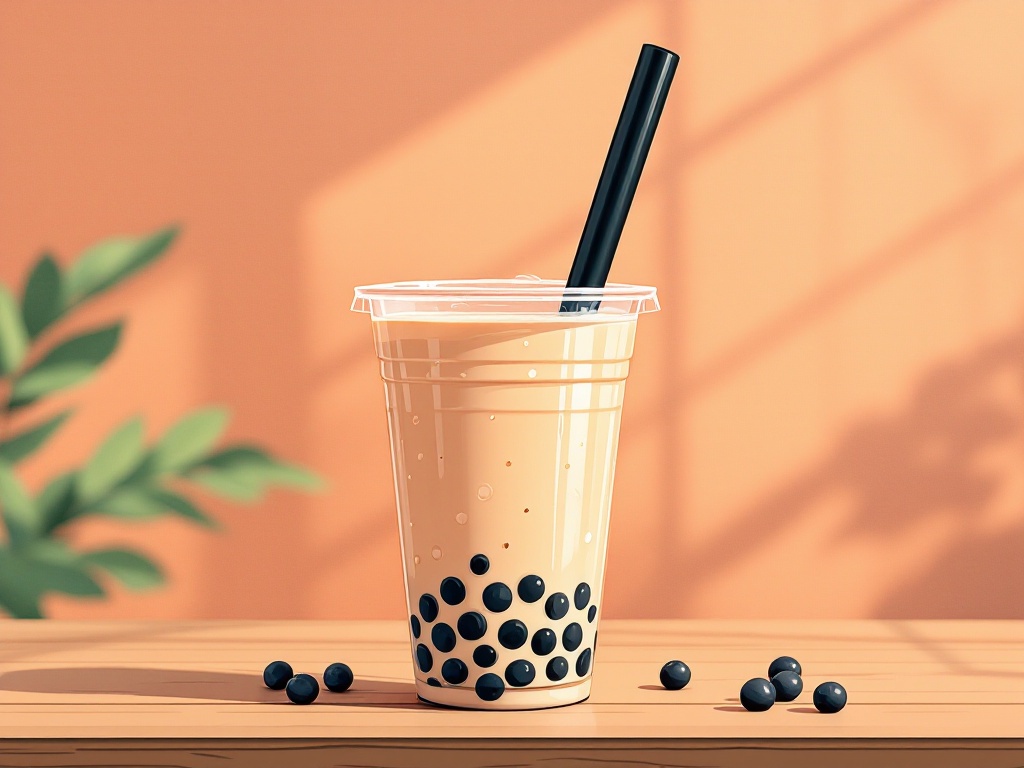
Boba Texture and Taste
Boba is made from tapioca starch. It is chewy and gummy in texture, with a slightly sweet, neutral taste. There are lots of different types of boba, such as flavoured boba, taro, lychee, chai and Thai tea, as well as fruity and floral flavours like lavender, strawberry and passionfruit.
But how are tapioca pearls made, and why are they key to bubble tea?
The tapioca pearls recipe is actually quite simple. Tapioca starch, which comes from cassava roots, is the key ingredient. The starch is mixed with boiling water until it forms a kneadable dough. The dough is then cut into balls, or squares, and cooked in hot water until the pieces float. After the balls have been removed from the hot water, they go into an ice bath for approximately a minute to cool down. Once cooled, the balls are cooked in a boiling mixture of water and brown sugar before being soaked in a sweet syrup. If the boba is too hard, it may not have been cooked long enough; if it is too soft and mushy, it may have been overcooked.
Tapioca pearls are a key ingredient in bubble tea because they give the drink its distinctive flavour and deliciously chewy texture. Why do people love the chewy texture of boba pearls? Because they are fun to sip and chew on, and they give the drink a sensory dimension you can’t find anywhere else. Bubble tea consists of one third tapioca pearls, topped with sugar, tea and milk. Popping boba is sometimes used instead of standard tapioca pearls; filled with fruit juice that bursts into your mouth as you chew, they add yet another dimension to the drink.
Classic vs Modern Bubble Tea
As you now know, bubble tea has been around for years, but it is highly customisable, and its flavours and ingredients have evolved to suit the tastes of the various countries it is now drunk in.
The classic bubble tea produced in Taiwan was made with black tea, milk and tapioca pearls, giving it a sweet, creamy and chewy flavour and texture. For extra sweetness, it was also made using brown sugar, caramel syrup or vanilla.
Modern bubble tea can’t be summarised as easily as its classic counterpart, because it can contain almost anything. Different types of milk can be used, such as soy milk, almond milk or coconut milk. Different tea bases are used too: green tea, oolong tea and fruit tea are becoming popular alternatives to black tea. Powdered flavourings are common, such as strawberry, mango and ube. Matcha or coffee is often added to give the drink a caffeine boost. Other ingredients are used instead of, or alongside, the tea, including fruit and caramel, and modern boba drinks even come with toppings such as whipped cream or cheese foam.
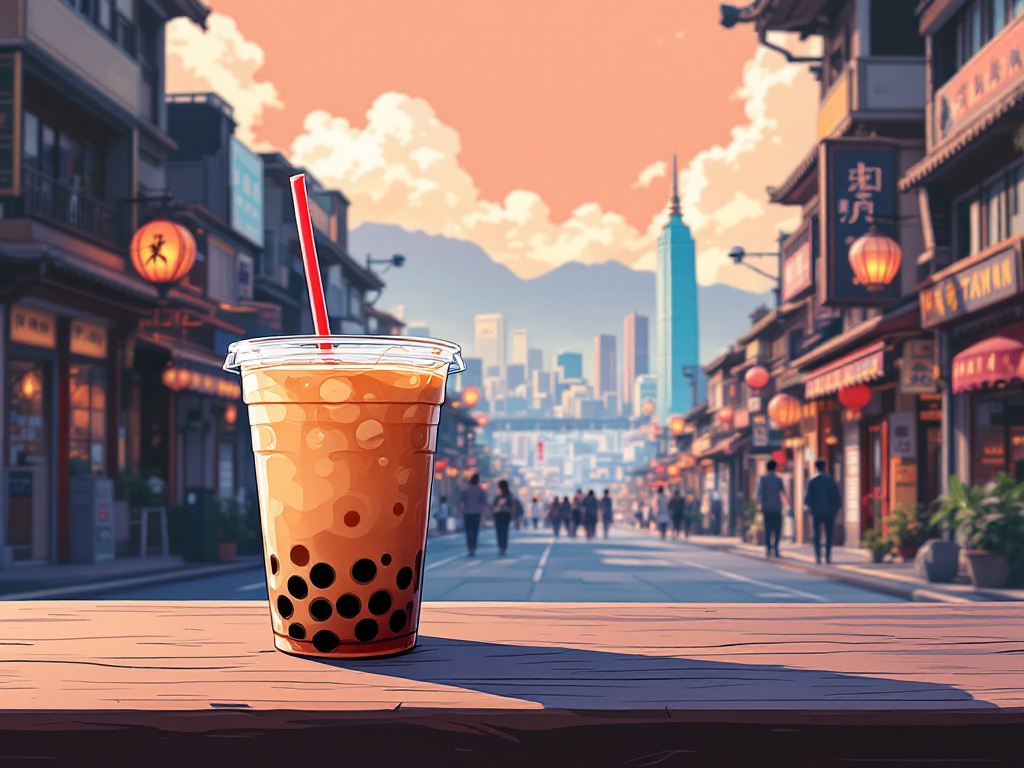
Bubble Tea Flavours
Which classic bubble tea flavours remain popular worldwide?
Anyone new to bubble tea and wanting to try it for the first time should start with the most classic flavour of them all, still incredibly popular worldwide: black milk tea. This classic is simply made using black tea, milk and black tapioca balls, although caramel syrup, vanilla or brown sugar can be added for extra sweetness.
Other classic tea flavours include:
- Taro boba: Taro is a root vegetable with a sweet, nutty flavour, creating a refreshing and eye-catching purple drink.
- Brown sugar: Taking the classic to a new level, even more brown sugar is added to this tea, with brown sugar syrup streaking through the black tea.
- Thai: Another eye-catching colour, Thai milk tea is a brilliant orange, and like traditional Thai iced tea it is made from a heady combination of cinnamon, cardamom, turmeric and other spices.
- Honeydew: Light and refreshing, mild and subtle, and a brilliant light green colour, honeydew is perfect for anyone who doesn’t want a strong or sweet flavour, especially when paired with green tea instead of black tea.
- Horchata: Horchata is a traditional flavour made from a combination of milk, almonds, rice, cinnamon and sugar. A horchata bubble tea is similar to a rice pudding flavour, but creamier and sweeter.
What are the most innovative twists on traditional bubble tea?
Some modern flavours come with innovative twists on traditional bubble tea, and many consider these to be the best bubble tea flavours:
- Strawberry: Perhaps the most controversial boba tea on this list so far. The strawberry boba has a striking bright pink colour, a thick consistency, and is one of the sweetest bubble tea drinks available.
- Lychee: Sweet, with a little citrus boost, lychee is much milder than some of the other options on this list, but its well-balanced flavour combination makes it a favourite with many bubble tea drinkers.
- Passion fruit: Perfect for summer, passion fruit bubble tea is light and refreshing, yet tropical and citrusy.
- Matcha: Matcha drinks have become more popular recently, so it makes sense that matcha and bubble tea would eventually combine. A matcha bubble tea isn’t quite as strong as a regular matcha drink, and the boba makes it sweeter.
- Winter melon: Winter melon is not a well-known flavour. It comes from the same family as cucumbers, melons, squash and pumpkins, so it has an earthy, yet light and refreshing flavour. A winter melon boba is earthy, sweet and creamy, and one of the hottest flavours today.
- Alcohol injections: One of the more daring ways people are drinking bubble tea now is with a shot of alcohol. Think cocktails, with boba balls. And just as with cocktails and mocktails, every bar and restaurant likes to play with flavours and combinations to concoct their own recipes.
As you’ve probably spotted, many of these flavours are similar to milkshake flavours on the market today. When it comes to bubble tea vs milkshake, the best option will always come down to personal preference. Both are sweet and creamy, and both come in a wide variety of flavours. The real differences are the boba balls, the texture and extra sensory dimension they add to the drink, and the more adventurous flavours bubble tea has to offer.
Drinking Bubble Tea
Identifying good quality bubble tea
Before you run out to the nearest bubble tea café, ask yourself what makes a high-quality bubble tea stand out. Here are some things to look out for:
- The boba pearls should be visible in the drink and should take up about 30% of it.
- Ice is a key ingredient and should make up about 20% of the drink. Any less and you won’t feel the effects of it; any more and the taste will be diluted.
- Being able to vary the sweetness of the drink is the mark of a quality bubble tea shop. If you ask for a sweeter (or less sweet) drink and they can’t accommodate the request, it might not be the best quality café.
- As well as seeing the boba pearls and ice, you should be able to detect a distinct aroma in the bubble tea.
Pairing bubble tea with food
If you’re wondering whether bubble tea can be paired with food, like desserts or snacks, you’ll be happy to know that it can. When you choose a food pairing, aim to complement the flavour profile with a similar flavour or sweetness level, and consider contrasting textures. Here are some pairing ideas:
- Milk flavoured bubble tea is complemented by cookies, vanilla ice cream and vanilla cake.
- Fruit flavoured bubble tea works with fruit skewers or a fruit salad.
- Matcha bubble tea pairs nicely with a light and airy cake.
- Taro bubble tea is complemented by sweet potato fries, or a taro flavoured mochi.
- Bubble tea with a chocolate flavour goes well with other chocolate food, like brownies or cookies.
Recreating Authentic Taiwanese Bubble Tea at Home
Now for the question on everybody’s lips: how do you recreate authentic Taiwanese bubble tea at home? Here is an authentic recipe, which makes two servings.
Ingredients:
For the black tea
- 2 cups water
- 6 black tea bags
Tapioca pearls and brown sugar syrup
- ½ cup medium black tapioca pearls
- 1 cup brown sugar
- 1 cup honey
- 1 cup hot water
For serving (per glass)
- ½ cup tapioca pearls, cooked
- ½ cup ice
- brown sugar syrup, to taste
- 1 cup black tea, chilled
- ¼ cup mix of equal parts milk and cream
Other equipment
- Extra wide straws
Method:
- Using a medium saucepan, add the water and tea bags and bring to the boil.
- Remove the pan from the heat and let the tea cool to room temperature.
- Boil a separate medium pot of water. Once the water reaches boiling point, add the tapioca pearls. Boil until softened.
- Drain the boiled pearls through a strainer and set the strainer over a medium bowl. Add brown sugar to the strainer and pour hot water over the pearls and sugar mix.
- Stir to dissolve the brown sugar and add the honey.
- Soak the pearls in the sugar and honey syrup mix for up to 30 minutes.
Serving:
- Divide the pearls between two glasses, filling the glasses 30% with the pearls.
- Add the brown sugar and honey syrup.
- Mix the tea, milk and ice in a bottle and shake vigorously until the drink turns frothy.
- Pour the milk, tea and ice combination into the two glasses.
- Add the extra wide straws and enjoy!
This recipe uses pre-made boba pearls, but you can make your own; you’ll find the method in the “Boba Texture and Taste” section of this blog. And if you don’t fancy making your own bubble tea, or you want to try one of the more adventurous flavours, you can always visit one of the many bubble tea cafés opening up around the UK.